Get beautiful portraits in seconds:
For Windows 11, 10, 8, 7, iOS
Are your photos missing the mark? Dull colors, lackluster lighting, and blotchy skin don't have to stay that way. You can fix it all for free in the PhotoDiva portrait photo editor!
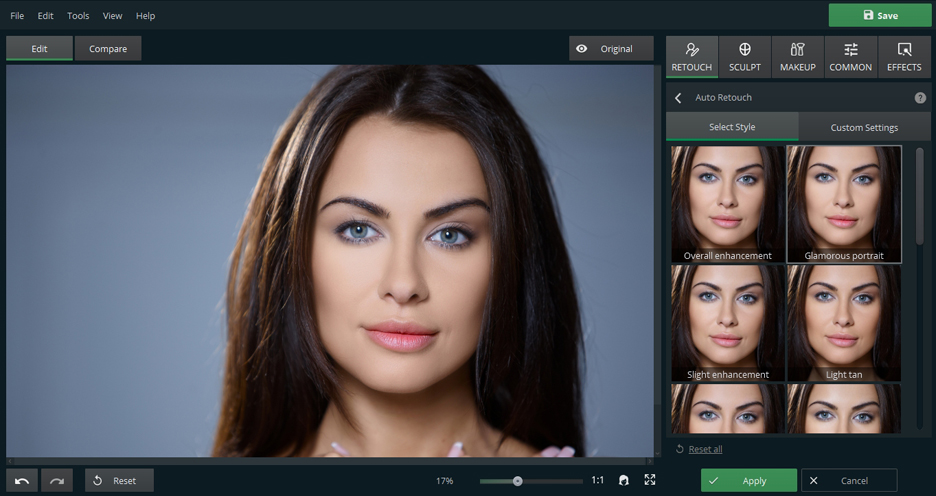
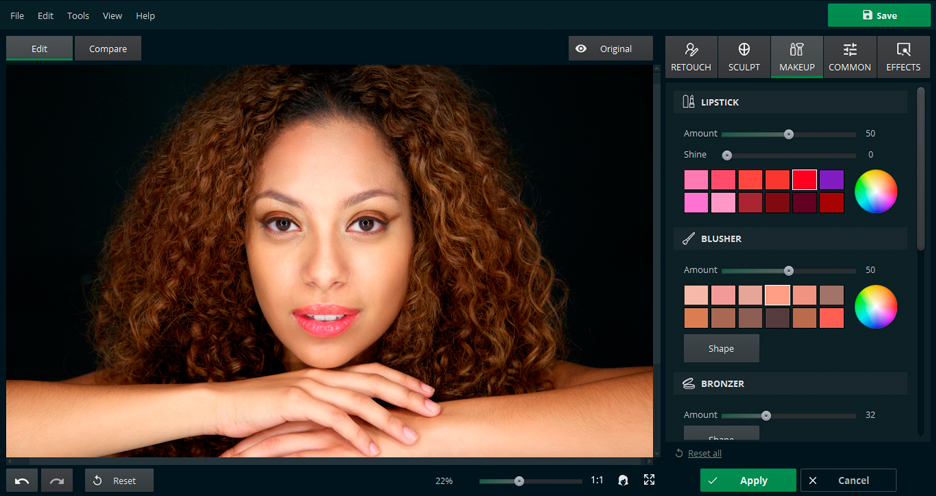
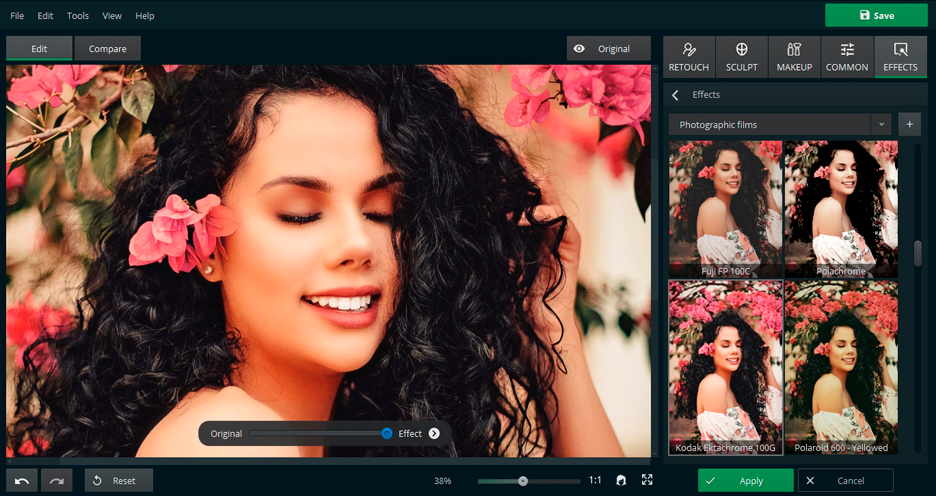
Get beautiful-looking portraits quickly by using one-click effects to make dramatic changes. Whether you need a boost of color or a full face of makeup, this portrait software delivers amazing results automatically.
Change colors, enhance facial and body features, remove unwanted people or objects easily with a few quick adjustments in the portrait editing software.
Discover PhotoDiva today!
For Windows 11, 10, 8, 7, iOS
PhotoDiva is a breeze to master, even with no portrait photo editor experience. Transform your photography with intuitive sliders and free one-click effects.
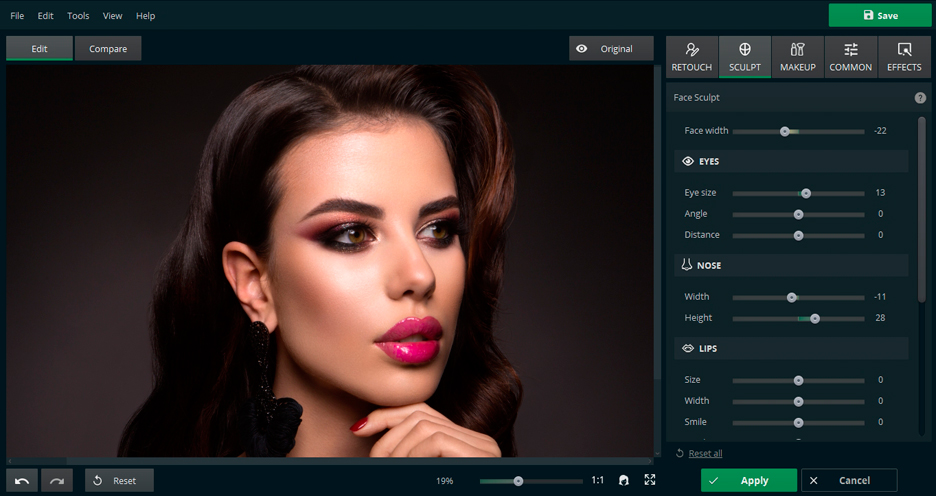
The face editing software detects facial features like lips, eyes, and cheeks. Now you can sculpt, beautify, and add color without making tedious selections in Photoshop.
Too many distractions behind your model? Place her on a new background in just a few steps. Loosely select around her outline and then within it, and let PhotoDiva do the rest.
Before you close the tab, understand this: Excel is the most widely used programming environment on earth. It is a massively parallel grid of 17 billion cells. When you strip away the abstraction of torch.nn.Linear , building a network in Excel forces you to confront the raw mechanics of matrix multiplication and the chain rule.
| Function | Description | Example | | :--- | :--- | :--- | | =NEURAL.NETWORK(...) | Creates a network object reference. | =NEURAL.NETWORK(layers, activations) | | =NEURAL.TRAIN(network, inputs, targets, [epochs], [lr]) | Trains and returns trained network. | =NEURAL.TRAIN(A1, B2:D100, E2:E100, 500, 0.01) | | =NEURAL.PREDICT(network, new_inputs) | Forward pass prediction. | =NEURAL.PREDICT(F1, G2:G5) | | =NEURAL.LOSS(network, inputs, targets) | Returns current loss. | =NEURAL.LOSS(F1, B2:D100, E2:E100) | | =NEURAL.WEIGHTS(network, layer_from, layer_to) | Returns weight matrix as a dynamic array. | =NEURAL.WEIGHTS(F1, 2, 3) |
A standard neural network consists of three main components you’ll need to map out in your sheets: Your raw data (e.g., petal length, width).
A neural network is a machine learning model inspired by the structure and function of the human brain. It consists of layers of interconnected nodes or "neurons" that process and transmit information. The three main types of layers in a neural network are:

For Windows 11, 10, 8, 7, iOS
PhotoDiva delivers professional results for editing faces, from family memories to paid photo shoots. No matter what style you are going for, your edits are sure to impress.
Subjects of any age, gender, shape, or size look their very best with PhotoDiva's AI portrait photo editing. build neural network with ms excel new
Women Add a pretty glow and digital makeup Before you close the tab, understand this: Excel
Men Sculpt a firm, masculine jawline | Function | Description | Example | |
Children Brighten eyes, cheeks, and lips
Seniors Reduce wrinkles and age spots
Get started in mere seconds
PhotoDiva has the perfect features for any type of edit.
Realistic Virtual Makeup
Automatic Retouching
Digital Plastic Surgery
Blemish Removal Tools
100+ Effects and Filters
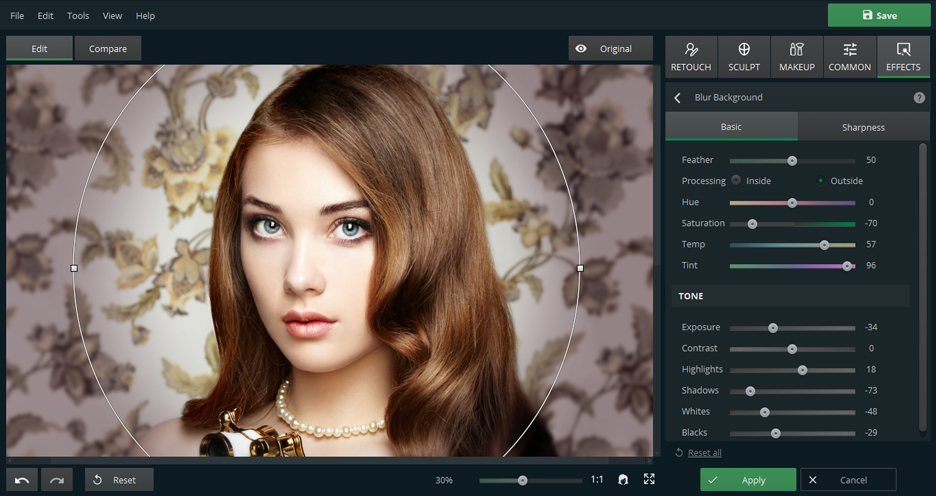
Background Blurring
Before you close the tab, understand this: Excel is the most widely used programming environment on earth. It is a massively parallel grid of 17 billion cells. When you strip away the abstraction of torch.nn.Linear , building a network in Excel forces you to confront the raw mechanics of matrix multiplication and the chain rule.
| Function | Description | Example | | :--- | :--- | :--- | | =NEURAL.NETWORK(...) | Creates a network object reference. | =NEURAL.NETWORK(layers, activations) | | =NEURAL.TRAIN(network, inputs, targets, [epochs], [lr]) | Trains and returns trained network. | =NEURAL.TRAIN(A1, B2:D100, E2:E100, 500, 0.01) | | =NEURAL.PREDICT(network, new_inputs) | Forward pass prediction. | =NEURAL.PREDICT(F1, G2:G5) | | =NEURAL.LOSS(network, inputs, targets) | Returns current loss. | =NEURAL.LOSS(F1, B2:D100, E2:E100) | | =NEURAL.WEIGHTS(network, layer_from, layer_to) | Returns weight matrix as a dynamic array. | =NEURAL.WEIGHTS(F1, 2, 3) |
A standard neural network consists of three main components you’ll need to map out in your sheets: Your raw data (e.g., petal length, width).
A neural network is a machine learning model inspired by the structure and function of the human brain. It consists of layers of interconnected nodes or "neurons" that process and transmit information. The three main types of layers in a neural network are:
$42.00 $29.40